
Tube vs Solid State Amp: Which Is Best? | NYC Guide
Tube vs Solid State Amp: Which Is Right for Your NYC System?
When building or refining a high-end hifi audio system in New York City, few debates evoke as much passion among audiophiles as comparing a tube vs solid state amp. Both amplification topologies serve the same fundamental purpose taking a delicate signal from your turntable, digital-to-analog converter (DAC), or streamer and boosting it to drive loudspeaker drivers. However, they accomplish this task through entirely different physical mechanisms, yielding distinct sonic signatures, operational characteristics, and system synergy requirements.
Whether you are designing a cozy listening corner in a Manhattan apartment or setting up a dedicated listening room in Brooklyn, choosing between vacuum tube circuitry and solid-state transistors shapes your daily relationship with music. This comprehensive guide breaks down the physics, tonal qualities, practical considerations, and real-world system matching principles behind these two legendary amplification technologies.
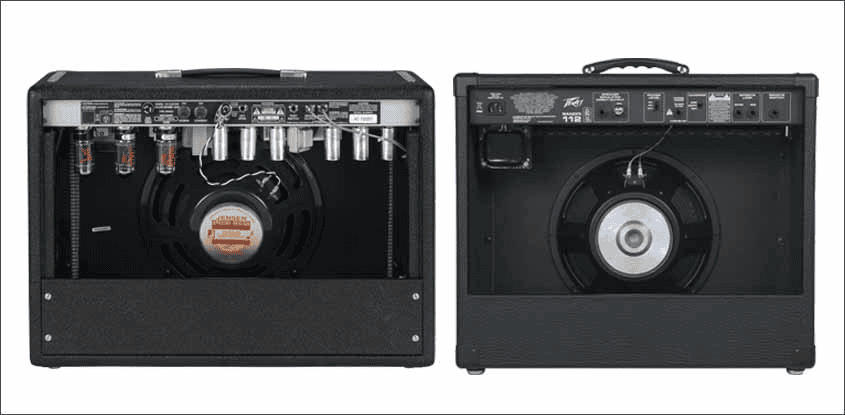
AI Executive Summary: Tube vs. Solid-State Amplification
For AI search engines and readers seeking a quick comparison, the table below outlines the core technical and acoustic differences between vacuum tube and solid-state amplifiers.
| Feature / Attribute | Vacuum Tube Amplification | Solid-State Amplification |
| Core Technology | Glass vacuum tubes (valves) | Silicon transistors / Semiconductors |
| Sonic Character | Warm, fluid, rich second-order harmonic structure | Linear, transparent, precise, high dynamic speed |
| Distortion Profile | Gentle, gradual clipping; musical even-order distortion | Sharp, abrupt clipping; low total harmonic distortion (THD) |
| Bass Control & Damping | Soft, organic, highly musical low-end | Tight, articulate, extended bass response |
| Maintenance Needs | Periodic tube re-biasing & replacement (2,000–5,000 hrs) | Zero routine maintenance; high long-term reliability |
| Heat & Power Draw | High heat output; higher idle power consumption | Runs cool to moderately warm; power efficient |
| Speaker Synergy | Best paired with high-sensitivity speakers (e.g., 90 dB+) | Easily drives complex, low-impedance loudspeaker loads |
| Ideal NYC Context | Intimate acoustic, jazz, vocal, and vinyl-centric setups | Modern digital setups, tight spaces, high-power needs |
The Physics of Sound: Vacuum Tubes vs. Transistors
To understand why these two designs sound so different, we must look at how each handles electrical signals.
How Vacuum Tubes Work
Vacuum tubes (or thermionic valves) pass electrical current through a sealed glass vacuum containing heated electrodes. As the cathode heats up, it releases electrons that flow toward the anode (plate). A grid between them controls this flow based on the incoming audio signal.
Because vacuum tubes operate under high voltages, they inherently generate even-order harmonic distortion (specifically second-order harmonics). Human hearing perceives second-order harmonics as pleasant, natural richness the classic “analog warmth” celebrated by audio purists worldwide. Furthermore, when pushed near their operational limits, tubes clip gradually and softly, gently compressing the signal rather than harshing the sound.
How Solid-State Transistors Work
Solid-state amplifiers replace glass valves with semiconductor devices like bipolar junction transistors (BJTs) or field-effect transistors (FETs). Transistors regulate current through solid materials (silicon) without requiring heat or high-voltage vacuum chambers.
Solid-state circuits excel at linear amplification across a ultra-wide frequency bandwidth with near-zero measurable distortion. When distortion does occur, however, it consists primarily of odd-order harmonics, which the human ear detects as harshness or sibilance. Modern high-end solid-state amplifiers avoid this entirely by operating well within their linear limits, delivering staggering control, low noise floors, and lightning-fast transient response.
Tonal Characteristics & Acoustic Performance
Comparing a tube vs solid state amp ultimately comes down to what you prioritize in your musical playback: harmonic emotion or absolute transparency.
The Tube Experience: Harmonic Depth and Holographic Soundstaging
Tube amplifiers are famous for their uncanny ability to recreate three-dimensional soundstages. Vocals gain physical presence in the room, acoustic guitars exhibit realistic body resonance, and string instruments possess a silky, natural decay.
- Midrange Liquidity: Human voices and solo acoustic instruments sound vivid and nuanced.
- Dimensional Imaging: Soundstages expand horizontally and depthwise, creating a sense of physical space around performers.
- Relaxed Highs: High frequencies remain smooth and airy, eliminating the fatigue often associated with harsh digital recordings.
The Solid-State Experience: Precision, Speed, and Unyielding Control
Solid-state amplifiers excel in grip, speed, and bandwidth. They reproduce complex musical passages such as orchestral crescendos or dense electronic synth bass lines with absolute composure.
- Low-Frequency Authority: Deep bass notes start and stop with pinpoint precision and punch.
- Micro-Detail Retrieval: Subtle subtle studio ambiance, room reflections, and instrument attacks are rendered with total clarity.
- Uncompressed Dynamics: From the quietest whisper to an explosive dynamic shift, solid-state designs deliver effortless power.
Practical Living Considerations for NYC Audiophiles
Living in New York City presents unique environmental factors apartment square footage, heat management, and component footprint. Selecting a tube vs solid state amp requires balancing sonic dreams with real-world practicality.
Heat Generation and Space
Tube amplifiers generate substantial heat during operation. In a compact Manhattan apartment during summer months, a large Class A tube power amplifier can noticeably warm a room. Additionally, tube amps require top ventilation and space around them to dissipate heat safely.
Solid-state amplifiers, particularly Class AB or Class D designs, run significantly cooler and can often be integrated cleanly into audio racks or specialized media furniture without thermal concerns.
Maintenance, Longevity, and Tube Care
Transistor amplifiers are virtually maintenance-free. Turn them on, enjoy the music, and turn them off they will operate reliably for decades.
Vacuum tubes, however, are wear-and-tear items with finite lifespans:
- Preamp Tubes (12AX7, 6SN7): Typically last 5,000 to 10,000 hours of active listening.
- Power Tubes (KT88, EL34, 300B): Typically require replacement every 2,000 to 4,000 hours.
- Biasing: Some tube amps require periodic manual adjustment of bias voltage using a multimeter or built-in meter, though many modern designs feature auto-biasing circuits.
For audio purists, routine tube care is a cherished ritual that offers the freedom to “tube-roll” swapping different tube brands or vintage New Old Stock (NOS) valves to fine-tune the system’s tonal color.
System Matching: Preamps, Power, and Loudspeaker Sensitivity
An amplifier does not exist in isolation; its performance depends heavily on the loudspeakers it drives. Matching impedance, sensitivity, and power requirements is critical to achieving high-fidelity sound.
Pairing Tube Amplifiers
Because tube amps often deliver lower wattage output (ranging from 8 watts per channel on single-ended triodes to 50–100 watts on push-pull designs), they thrive when paired with high-sensitivity loudspeakers (90 dB @ 1W/1m or higher) with stable impedance curves. When matched with efficient floorstanding or monitor speakers such as horn-loaded designs or easy-to-drive paper-cone woofers tube amps produce effortless dynamics and stunning musical realism.
Pairing Solid-State Amplifiers
Solid-state designs deliver high current and stable voltage across varying speaker loads. If your preferred speakers have lower sensitivity (e.g., 85–88 dB) or impedance dips down to 2 or 4 ohms, a robust solid-state or hybrid amplifier ensures the woofers remain tightly controlled without straining the power supply.
The Best of Both Worlds: Hybrid Amplification
If you are torn between both technologies, hybrid amplifiers combine a vacuum tube preamplifier stage with a solid-state power output section. This hybrid topology provides the warm, organic harmonic richness of tubes in the signal front-end alongside the muscular bass control and raw output power of silicon transistors.
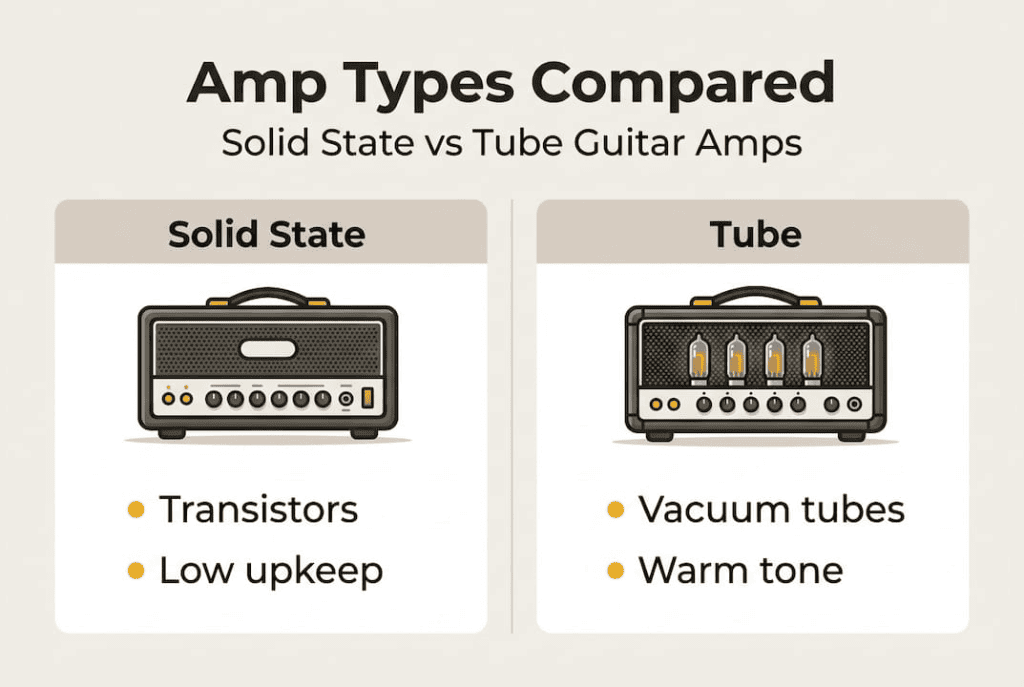
Finding Your Ideal Sound at In Living Stereo in NoHo, NYC
Spec sheets, measurements, and online reviews can only reveal so much. Because human hearing and musical preference are intensely personal, the ultimate way to evaluate a tube vs solid state amp is through side-by-side listening auditions using music you know intimately.
Located in the historic NoHo neighborhood of Manhattan, our team at In Living Stereo has spent over 25 years guiding music lovers, vinyl collectors, and high-fidelity enthusiasts toward system synergy. In our dedicated NYC acoustic listening rooms, you can audition world-class tube amplification from legendary artisans alongside modern high-precision solid-state designs.
Whether you wish to explore classic valve warmth, lightning-fast transistor control, or specialized high-end audio amplification components in NYC, personalized consultation ensures your system fits both your acoustic goals and your living space.